
NEWS

Do Bats Lay Eggs?
Bats, the only mammals capable of sustained flight, have long captivated human curiosity with their nocturnal habits and diverse adaptations. One aspect of bat biology that often sparks questions is their reproductive strategy, leading to the common question... Do Bats Lay Eggs?
How Long Can A Bat Survive Without Food?
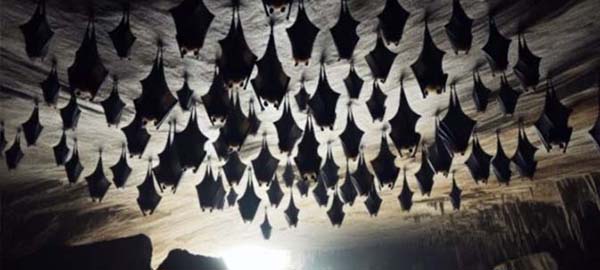
Bats are resilient creatures, capable of surviving extended periods of food scarcity. Bats Can Survive up to Two Weeks Without Food by Entering Torpor. These critters have high metabolic rates and diverse diets that include insects, fruit, nectar, and fish, but they can survive long periods without food by relying on fat reserves during hibernation and utilizing torpor to minimize energy usage.
A Bat in the House Is NOT A Sign Of Death!
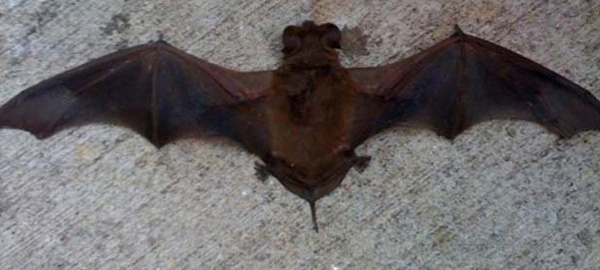
The belief that a bat in the house is a sign of death is a longstanding myth rooted in various cultural superstitions and folklore. Bats have been associated with a myriad of beliefs across different cultures and regions. These beliefs have ranged from omens of impending doom to symbols of rebirth and transformation.

Bats Invade Coliseum
While Everyone in the area was invited to the U.S. Army Field Band concert Monday, there were still some uninvited visitors. Everyone who came seemed to enjoy the concert, but none danced to the music like a number of bats. Shortly after the concert started a single bat could be seen flying around the stage and up into the upper seats.
The Palestine Herald, Palestine, Texas
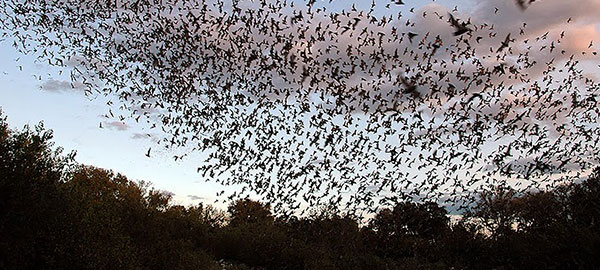
Fly-by-night problem Experts say downtown home to 70,000 bats By BETH FOLEY PALESTINE — Palestine residents can lay claim to being No. 1 — in bats. A pair of bat eradication experts told city officials, downtown business owners and residents at a meeting at City Hall Tuesday afternoon that they estimated between 70,000-90,000 Mexican freetail bats have taken up residence in at least 28 downtown buildings.
Bats and Histoplasmosis
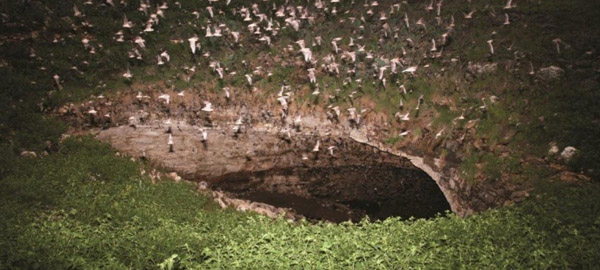
Histoplasmosis is a respiratory disease caused by a fungus that grows in soil enriched by animal droppings, including those from bats. Ninety percent of all reported cases in humans come from the Ohio and Mississippi River valleys and adjacent areas where warm, humid conditions favor fungal growth. The disease is rare or nonexistent in most of Canada and in the far northern and western United States.
